Ranthambore National Park in Rajasthan is best known for its Bengal tigers, but Which animals can you see in Ranthambore National Park beyond these famous big cats? The park is home to a diverse range of wildlife, including leopards, sloth bears, deer, crocodiles, and hundreds of bird species. Its forests, lakes, and rocky landscapes make every safari a unique experience, even when you don’t spot a tiger.
A Golden Triangle Tour with Ranthambore combines the historic landmarks of Delhi, Agra and Jaipur with the opportunity to explore Ranthambore’s diverse wildlife. It’s an excellent option for travellers who want to experience India’s cultural heritage alongside an exciting jungle safari. This guide covers the animals you may encounter, the species most commonly spotted during safaris, the best time to visit and practical tips for observing wildlife responsibly.
Bengal Tigers: Ranthambore’s Most Famous Wildlife
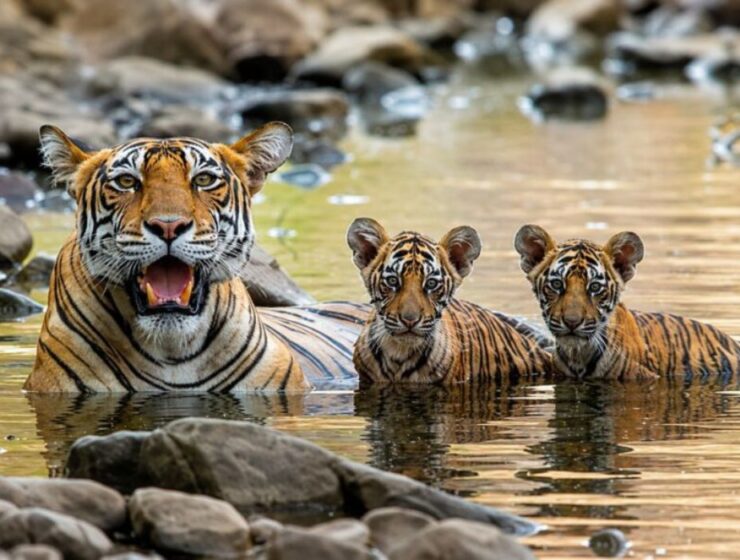
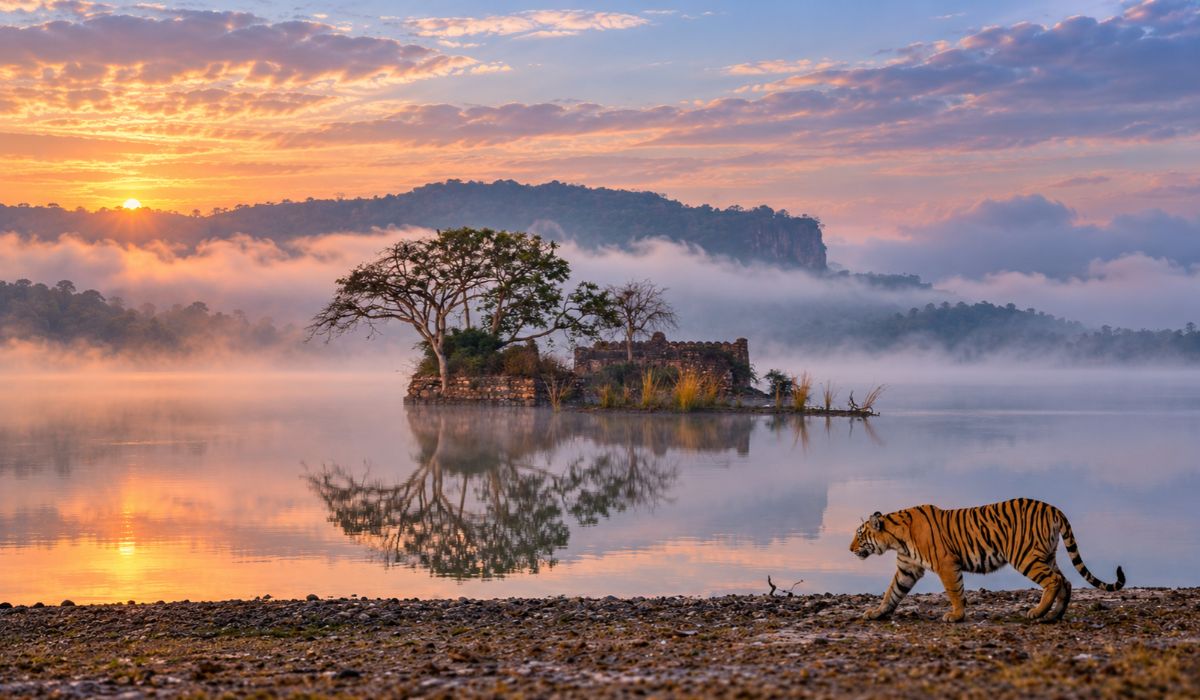
Bengal tigers sit at the top of the food chain here. Ranthambore’s mix of dry deciduous forest, rocky hills, lakes and open grassland suits them, and the ruins scattered through the park add to the atmosphere.
Guides and naturalists don’t rely on luck alone. They read pugmarks, listen for alarm calls from deer and langurs, and watch for movement near water. Even so, tiger sightings are never guaranteed. A tiger can rest unseen in thick cover for hours.
The best approach is to treat the tiger as a bonus. A safari that takes in the landscape, birds and other wildlife is a good one whatever you see.
Which Other Mammals Animals Can You See in Ranthambore National Park
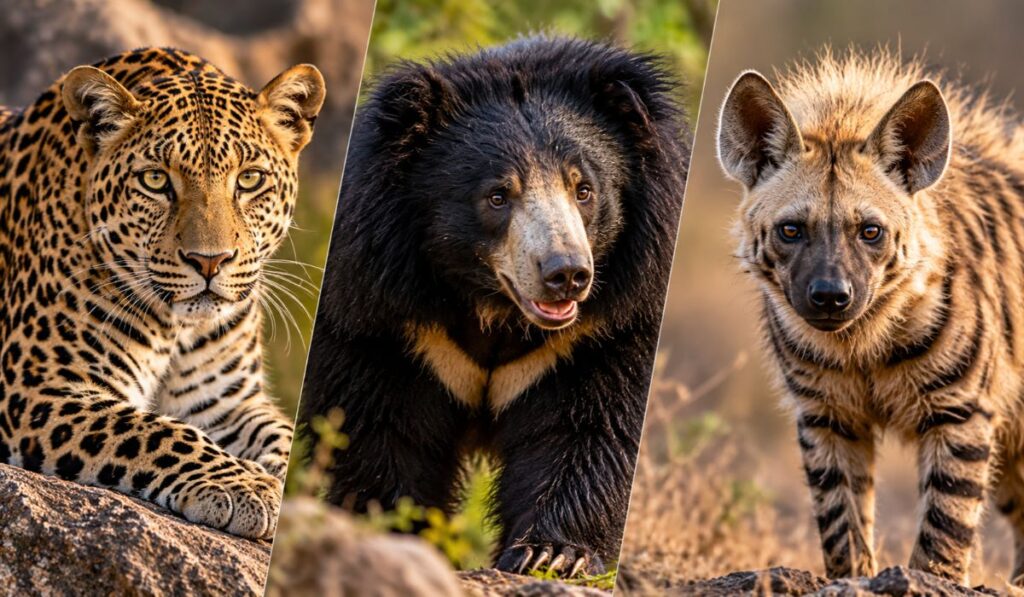
Ranthambore National Park wildlife is more varied than its reputation suggests. Beyond Bengal tigers, the park supports leopards, sloth bears, deer, crocodiles and several other species. The animals you encounter depend on the habitat, season, animal behaviour and chance.
If Ranthambore is part of a longer trip, travellers exploring Delhi, Agra and Jaipur can consider a Golden Triangle Tour 6 Days. This itinerary can help you plan your North India holiday, but check the package inclusions if you want to add a wildlife safari.
Indian Leopards
Indian leopards inhabit the park’s rocky hills and forested areas. These elusive predators are often difficult to spot because they stay hidden among rocks and vegetation. A leopard sighting during a Ranthambore wildlife safari is possible, but never guaranteed.
Sloth Bears
Sloth bears feed mainly on insects and fruit and contribute to the forest ecosystem. They can be difficult to encounter because of their unpredictable movements and preference for cover. If you’re wondering Which animals you can see in Ranthambore National Park besides tigers, sloth bears are among the fascinating species to learn about.
Striped Hyenas, Jackals and Foxes
Striped hyenas, jackals and foxes are also part of the region’s wildlife. These carnivores and scavengers are generally less noticeable than deer and monkeys. You may find tracks or other signs of their presence even when the animals remain out of sight.
Sambar Deer and Spotted Deer
Sambar deer and chital, also known as spotted deer, are important prey species for the park’s large predators. Their alarm calls can sometimes alert guides to nearby movement, making them useful clues during a wildlife safari in Ranthambore.
Nilgai, Chinkara and Wild Boar
Nilgai, chinkara and wild boar inhabit different parts of the park’s woodland and scrubland. These mammals add variety to the safari experience and may be easier to observe than elusive predators, depending on the conditions.
Monkeys and Langurs
Macaques and langurs are frequently noticed in wooded habitats. Langurs can produce alarm calls when they detect potential predators, giving wildlife guides another clue to watch for during a safari.
Reptiles Found in Ranthambore National Park
Reptiles are another important part of Ranthambore National Park’s biodiversity. Lakes, water bodies, rocky terrain and surrounding vegetation provide habitats for several reptile species.
Mugger Crocodiles
Mugger crocodiles, also called marsh crocodiles, live in the park’s lakes and other water bodies. Visitors may see them basking along the banks. They are an interesting sight for travellers exploring Ranthambore wildlife, but should always be observed from a safe distance.
Snakes and Monitor Lizards
Various snakes and monitor lizards are found in the region, although sightings during a safari are unpredictable. Never approach, disturb or attempt to handle these animals. Follow your guide’s instructions and maintain a safe distance from all wildlife.
Birds You May Spot During a Ranthambore Safari
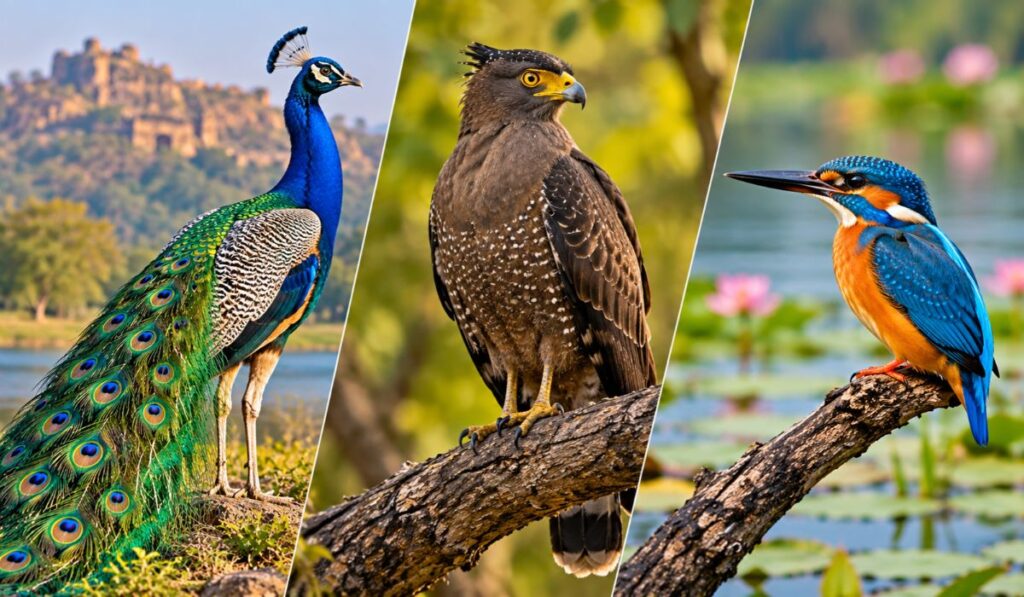
Birdlife adds another layer to a Ranthambore wildlife safari. The park supports many resident and migratory bird species, making it an interesting destination for birdwatchers as well as wildlife enthusiasts.
Birds you may spot in Ranthambore National Park include:
- Indian peafowl
- Crested serpent eagle
- Kingfishers, including those near lakes
- Waterbirds around the park’s lakes and wetlands
- Other resident and seasonal birds found in the region
Bird sightings vary with the season, habitat and weather. Carrying binoculars can help you observe birds without disturbing them.
Which Animals Can You See in Ranthambore National Park on Safari?
Understanding Which animals you can see in Ranthambore National Park also means knowing which species are easier to spot and which are more elusive.
Deer, monkeys and langurs are among the animals visitors commonly encounter. Bengal tigers attract the most attention, while leopards and sloth bears are harder to spot because they tend to remain hidden.
Your chances of seeing different Ranthambore wildlife species depend on several factors:
- Animal movement and behaviour during your safari
- Weather and temperature
- The habitat and safari zone you visit
- Morning or afternoon safari timing
No safari zone can guarantee a particular animal sighting. Keep your expectations flexible and enjoy the forest, lakes and other wildlife along the way.
6. Best Time to See Animals in Ranthambore National Park
The best time to see animals in Ranthambore National Park depends on the season, weather conditions and your wildlife interests. Some months offer more comfortable safari conditions, while the hotter months may provide opportunities to spot animals near water sources. Use the seasonal guide below to plan your visit.
| Season | Wildlife Viewing | Weather and Conditions |
|---|---|---|
| October to February | Good opportunities to spot deer, birds and other wildlife; tiger sightings remain unpredictable | Cooler weather, generally comfortable for safaris |
| March to June | Animals may gather near remaining water sources, potentially improving viewing opportunities | Hot and dry, with temperatures sometimes exceeding 40°C |
| July to September | Wildlife viewing depends on available safari zones and operating schedules | Monsoon season; some zones may be closed |
October to February: Comfortable Safari Weather
These cooler months are popular for wildlife safaris because temperatures are generally more comfortable. They are also a good time for birdwatching, as migratory birds may join the park’s resident species. However, dense vegetation and animal movement can still affect tiger sightings.
March to June: Hot Weather and Wildlife Near Water
During the hotter months, natural water sources may become limited, and some animals may visit lakes and other remaining water sources. This can create wildlife-viewing opportunities, but sightings are never guaranteed. Carry sun protection and prepare for high temperatures.
July to September: Monsoon and Safari Availability
Monsoon conditions can affect safari access, and some areas of Ranthambore National Park may close seasonally. Access can differ by zone, so confirm current operating dates, permitted safari areas and booking conditions before travelling.
Best time overall: October to February is a good choice for comfortable safari weather and birdwatching. If your main goal is to look for tigers, the hotter months may also be worth considering, provided you are prepared for the heat and understand that sightings are never guaranteed.
Before booking, check the latest information through the Rajasthan Tourism website or the relevant forest department and official safari booking channels.
Tips for Spotting Ranthambore Wildlife Responsibly
A little preparation can make your Ranthambore wildlife safari more rewarding while helping protect the animals and their habitat.
- Listen to your authorised guide or naturalist.
- Keep noise to a minimum when observing wildlife.
- Carry binoculars for distant animals and birds.
- Stay inside the authorised safari vehicle.
- Never feed, chase or call out to wild animals.
- Avoid littering and respect other visitors.
- Be patient, as wildlife sightings depend on animal behaviour and chance.
Responsible wildlife tourism helps protect the park’s ecosystem and makes the experience safer for visitors.
What to Bring for a Ranthambore National Park Safari
Pack a few essentials before heading out to explore Ranthambore’s wildlife.
- Comfortable, weather-appropriate clothing in neutral colours
- Binoculars for birdwatching and spotting distant animals
- A camera and suitable lens for wildlife photography
- Sun protection, such as a hat and sunscreen
- Drinking water, subject to safari rules
- Your booking confirmation and required identification
Check the latest vehicle rules and permitted items before your safari.
Frequently Asked Questions About Ranthambore National Park Animals
Which animals can you see in Ranthambore National Park?
Ranthambore is home to Bengal tigers, leopards, sloth bears, striped hyenas, deer, nilgai, wild boar, langurs, macaques, mugger crocodiles and numerous bird species. Deer and monkeys are generally easier to encounter, while sightings of large predators are less predictable.
Are tiger sightings guaranteed in Ranthambore?
No. Bengal tigers roam freely through the forest and may remain hidden for hours. Guides use tracks, alarm calls and other signs to help locate wildlife, but sightings are never guaranteed.
Can you see leopards and sloth bears in Ranthambore?
Yes. Both species inhabit the park, although they are elusive and less frequently seen than deer. Leopards favour rocky, forested areas, while sloth bears forage for insects and fruit.
Are crocodiles found in Ranthambore National Park?
Yes. Mugger crocodiles inhabit the park’s lakes and other water bodies. Visitors may see them basking near the water, but they should always be observed from a safe distance.
Which birds can you see during a Ranthambore safari?
Possible sightings include Indian peafowl, crested serpent eagles, kingfishers and various waterbirds. The species you encounter depend on the season, location and local conditions.
What is the best time to see wildlife in Ranthambore?
October to February offers cooler safari conditions and opportunities for birdwatching. March to June is hotter and drier, and wildlife may gather around available water sources. Always verify current safari operating dates before booking.
How can visitors observe Ranthambore wildlife responsibly?
Follow your guide’s instructions, remain inside the authorised vehicle, avoid loud noises and never feed or disturb animals. Dispose of waste responsibly and maintain a respectful distance from wildlife.
Discover Rajasthan Beyond Its Wildlife
Rajasthan offers much more than wildlife encounters. Its historic forts, royal palaces, colourful bazaars and cultural traditions provide plenty of reasons to explore beyond the national park.
Travellers planning a wider North India holiday can consider a Golden Triangle Tour with Ranthambore to combine Delhi’s heritage, Agra’s iconic Taj Mahal, Jaipur’s royal architecture and a wildlife safari.
Emperor Holidays can help you plan an itinerary around your available time, sightseeing interests and wildlife experiences.