Rajasthan is where India’s royal past is easiest to see. You’ll find hilltop forts, palaces in sandstone and marble, lake cities, and a desert that glows gold at sunset. This Rajasthan tour guide covers the places worth your time, how long to allow, when to go and how to get around.
If you would rather have the route, hotels and drivers arranged for you, start with Emperor Holidays’ Rajasthan Cultural Tour.
Why Visit Rajasthan?
Rajasthan suits many kinds of travellers. History enthusiasts get forts and palaces with centuries of stories behind them. Couples find romantic lakeside settings. Families get variety, from wildlife to markets. Photographers get colour and light in almost every city.
What draws people most:
- Royal palaces and historic forts
- Traditional markets and regional cuisine
- Desert experiences and folk music and dance performances
- Heritage accommodation and varied landscapes
Best Places to Visit in Rajasthan
Jaipur: The Pink City
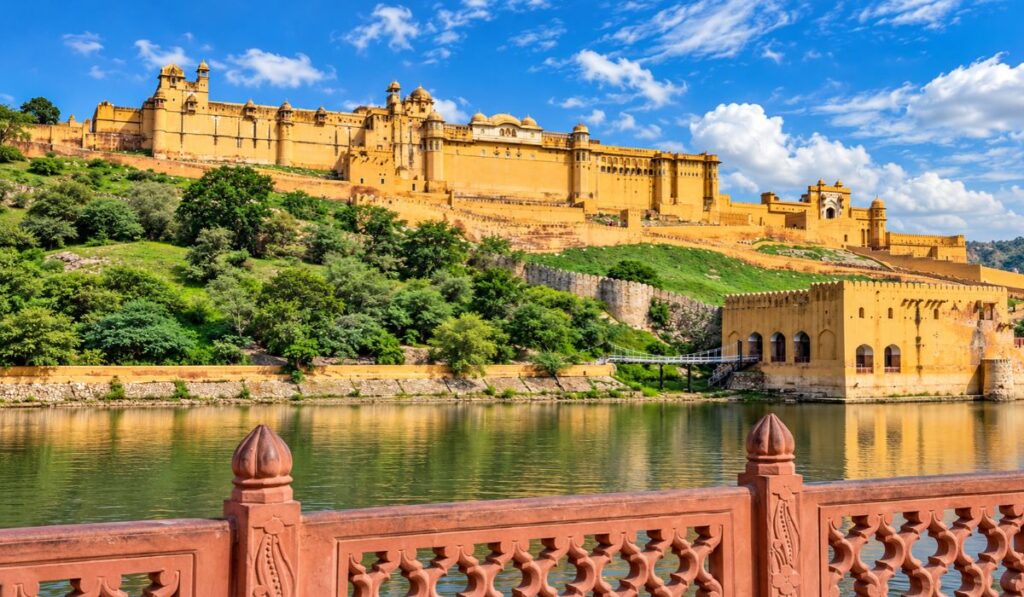
Jaipur is the usual starting point and the capital of Rajasthan. Amber Fort sits on a hillside just outside the city. In town, the City Palace and the facade of Hawa Mahal are the best-known sights.
The old city’s bazaars are good for textiles, jewellery and handicrafts. Visit the markets in the evening, when the pace is more relaxed.
Udaipur: The City of Lakes
Udaipur is built around Lake Pichola, and its City Palace complex looks out over the water. The city feels softer and more romantic than much of Rajasthan.
Allow time to wander the old town and watch the light change over the lake. Many travellers find this the most relaxing stop on a longer route.
Jodhpur: The Blue City
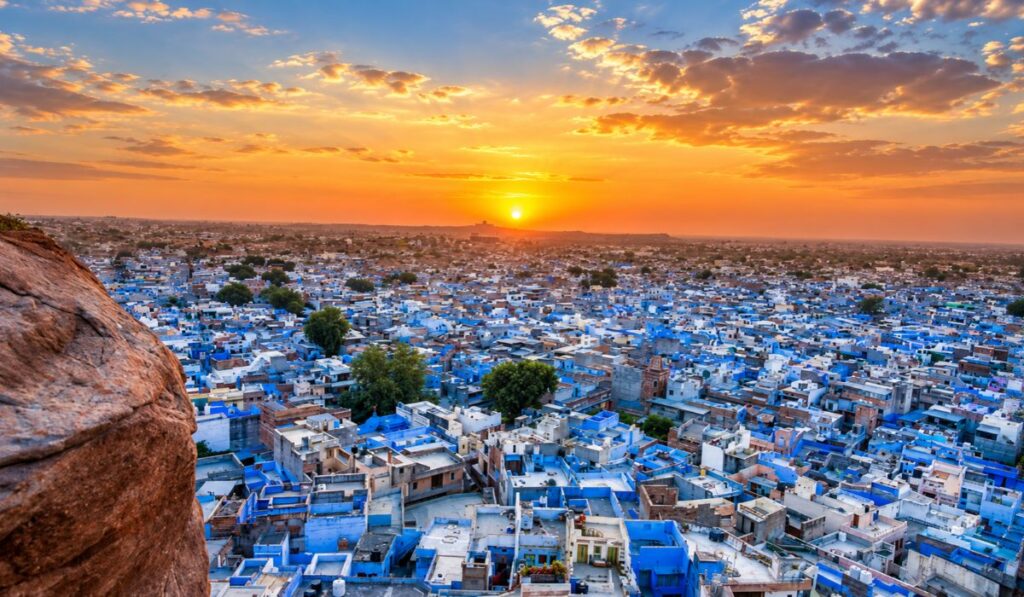
Mehrangarh Fort rises above Jodhpur on a steep rock face, and it is one of Rajasthan’s most impressive forts. From its ramparts you can see the old city’s blue-painted houses spread below.
Afterwards, walk through the old town and the busy bazaars near the clock tower.
Jaisalmer: The Golden City
Jaisalmer’s fort and many of its buildings are made of honey-coloured sandstone, which gives the city its nickname. The fort is a living one, with homes, shops and guesthouses inside its walls.
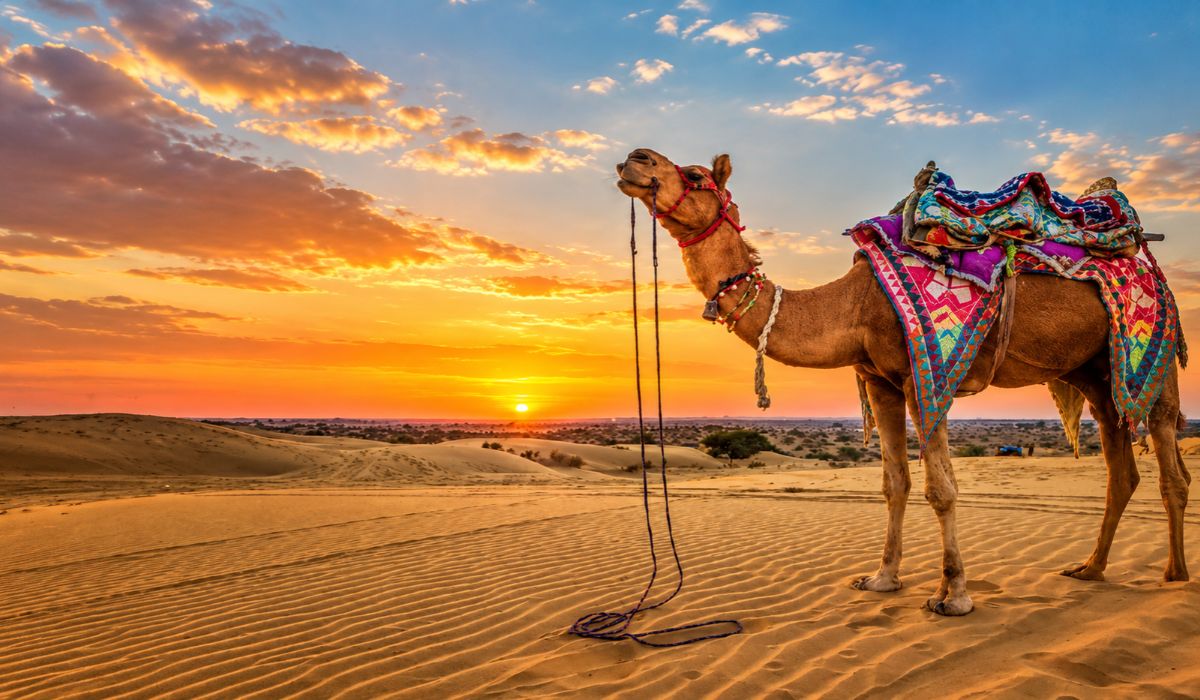
Jaisalmer is also the usual base for desert experiences in the Thar. Confirm what’s available and when before you commit to a camp or excursion.
Pushkar and Ajmer
Pushkar is a small town built around a sacred lake and is known for its Brahma Temple. Its pace is slow and its character is spiritual, with plenty of cafés and shops.
Ajmer, nearby, is known for the Dargah Sharif, a major pilgrimage site. Together the two towns add a very different, more devotional side to a Rajasthan trip.
Ranthambore National Park
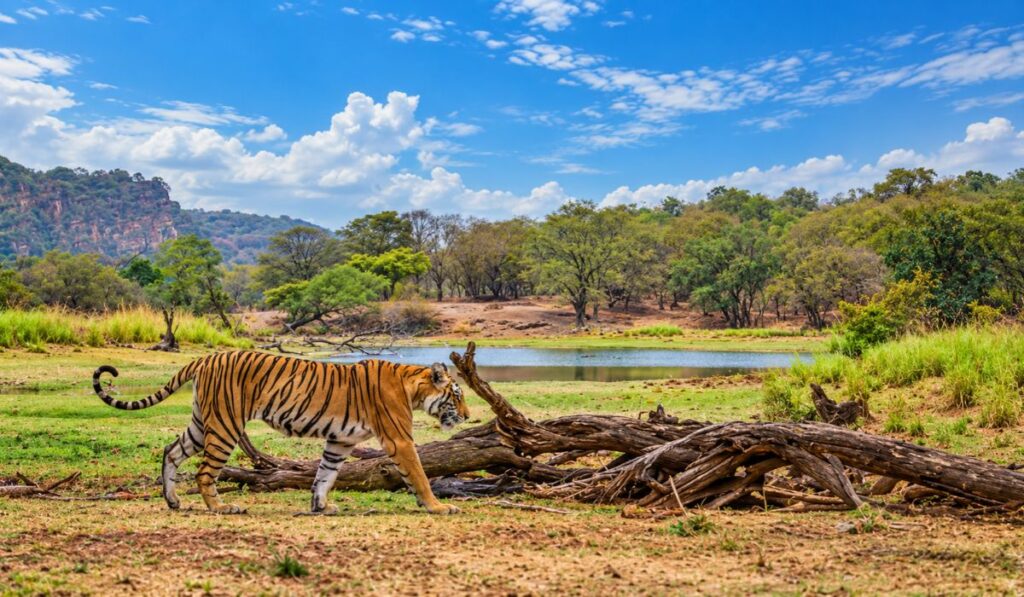
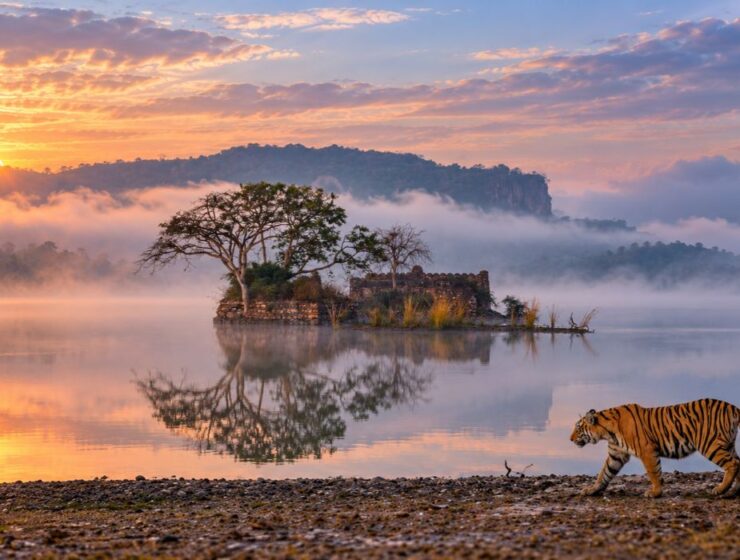
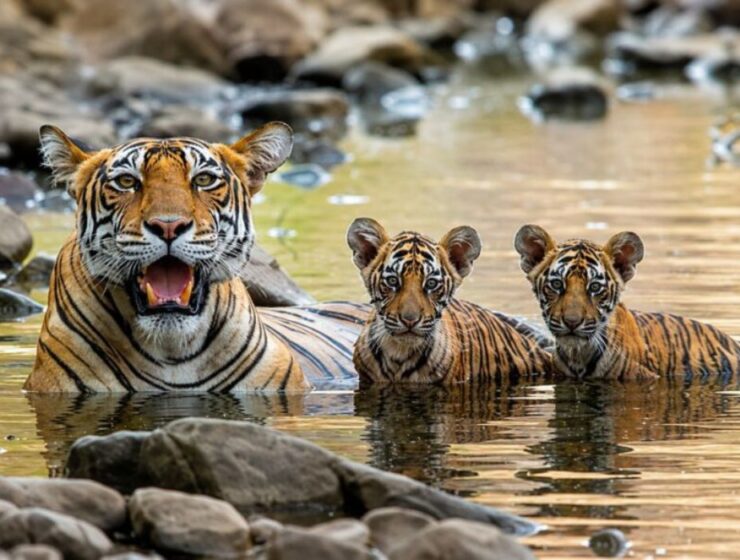
Ranthambore is Rajasthan’s best-known wildlife destination, famous for its tigers. Sightings are never guaranteed, so treat any safari as a chance rather than a promise.
Safari slots are limited, so check availability and booking rules well in advance. The park generally has a seasonal closure during the monsoon, so confirm dates for your travel month.
Bikaner and Mount Abu
Bikaner suits travellers who like less-visited places. Junagarh Fort and the nearby Karni Mata Temple at Deshnoke are its best-known attractions.
Mount Abu is Rajasthan’s only hill station. It offers cooler air, Nakki Lake and the Dilwara Jain temples, so it suits travellers who want a break from the heat and heritage fatigue.
How Many Days Do You Need for a Rajasthan Tour?
There’s no single right answer, but these ranges are a useful starting point:
- 3–4 days: Focus on one or two nearby destinations, such as Jaipur with one other stop.
- 5–7 days: Explore a selection of Rajasthan’s major cities without rushing too much.
- 8–10 days: Allow more time for sightseeing, markets and cultural experiences.
- 10–14 days: Take a slower-paced journey with additional destinations, such as Pushkar or Ranthambore.
The ideal duration depends on your travel pace, how you move between cities and what you want to see. Distances between cities can be long, so avoid cramming too many stops into a short trip.
Best Time to Visit Rajasthan
October to March: The Cooler Travel Season
This is generally the most comfortable period for sightseeing. Days are usually pleasant, and evenings can turn cool, especially in the desert.
It is also the busiest period, so popular hotels, guides and safaris tend to fill up earlier.
April to June: Summer Travel
Summers in Rajasthan are very hot. If you travel then, plan outdoor sightseeing for early morning or late afternoon, and rest during the middle of the day.
Mount Abu can be a more comfortable stop in these months.
July to September: Monsoon Travel
The monsoon brings rain and a greener landscape, and some travellers enjoy the quieter atmosphere. Rain can disrupt outdoor plans and road travel, and wildlife parks may be closed, so check conditions for each destination.
How to Travel Around Rajasthan
Each option has trade-offs:
- Private car with driver: Flexible and convenient for multi-city routes, with the freedom to stop along the way. Journeys can be long, so build in rest time.
- Trains between major cities: A good way to see the countryside and cover longer distances. Schedules and availability vary, so check in advance.
- Domestic flights for selected routes: Useful when time is short or distances are large, though not every city has a convenient connection.
- Local transport for city sightseeing: Auto-rickshaws and taxis are handy within cities. Agree on arrangements before you set off.
Many travellers combine these, for example a car for a Jaipur–Pushkar–Jodhpur stretch and a train or flight for a longer leg.
Why Hire a Local Rajasthan Tour Guide?
A knowledgeable local Rajasthan tour guide can make forts and palaces far more meaningful. A guide can help you:
- Understand the history of forts and palaces
- Learn about local customs and traditions
- Notice architectural details you might otherwise miss
- Navigate sightseeing more efficiently
Before booking, confirm guide availability, languages spoken and fees. Check whether the guide is included in your itinerary or arranged separately.
What to Pack for a Rajasthan Trip
- Lightweight, breathable clothing
- Comfortable walking shoes
- Sunscreen, sunglasses and a hat
- Reusable water bottle
- Modest clothing for religious sites
- Warm layers for cooler winter evenings
- Personal medication and travel documents
How to Choose the Right Rajasthan Tour Packages
Comparing itineraries is easier with a checklist:
- Choose destinations according to your interests.
- Confirm the number of travel and sightseeing days.
- Review accommodation standards and locations.
- Check transport arrangements and inclusions.
- Confirm whether guides, entrance fees and activities are included.
- Review cancellation policies and booking conditions.
You can compare route options and trip lengths on the Rajasthan Tour Packages page before you decide.
Frequently Asked Questions About Rajasthan Tours
What is the best itinerary for Rajasthan?
It depends on your interests and time. A common route links Jaipur, Jodhpur, Jaisalmer and Udaipur, with Pushkar or Ranthambore as optional additions. For a shorter trip, choose two or three cities rather than trying to cover everything.
Which city should I visit first in Rajasthan?
Jaipur is the most common starting point because it is the state capital and well connected by road, rail and air. From there, routes branch toward Pushkar, Jodhpur or Udaipur, depending on how long you have.
How many days are enough to explore Rajasthan?
Five to seven days covers a few major cities comfortably. Eight to ten days leaves room for more sightseeing, and ten to fourteen suits a slower journey with extra stops. Long travel distances are the main reason not to compress the plan.
Is Rajasthan suitable for a family holiday?
Yes, with sensible planning. Forts, palaces, markets and wildlife give children and adults plenty to enjoy. Avoid the hottest months, keep travel days manageable and check access at each site if anyone has mobility needs.
Do I need a local guide in Rajasthan?
It isn’t required, but a guide adds context to forts, palaces and temples that is hard to get otherwise. Confirm language, availability and fees before booking, and ask whether a guide is included in your itinerary.
What is the best month to visit Rajasthan?
October to March is generally the most comfortable period, though it is also the busiest. February and March can suit travellers who want pleasant weather with slightly smaller crowds. Always check conditions for your specific dates.
Plan Your Rajasthan Journey
Rajasthan rewards unhurried planning. Choose a manageable number of destinations, allow for long travel days and travel when the weather suits you. That way you spend your time on forts, palaces, bazaars and desert landscapes rather than on the road.
When you’re ready to turn ideas into a route, explore Emperor Holidays’ Rajasthan Tour Packages. Compare the available itineraries and choose the one that fits your travel dates, interests and preferred pace.