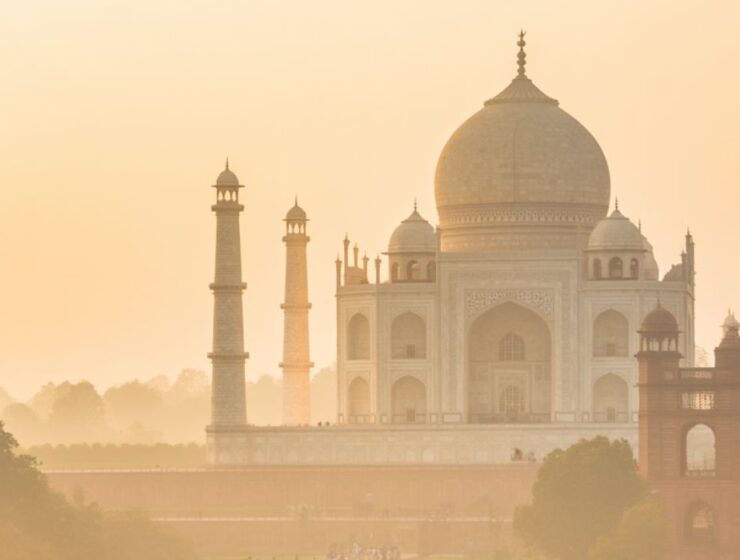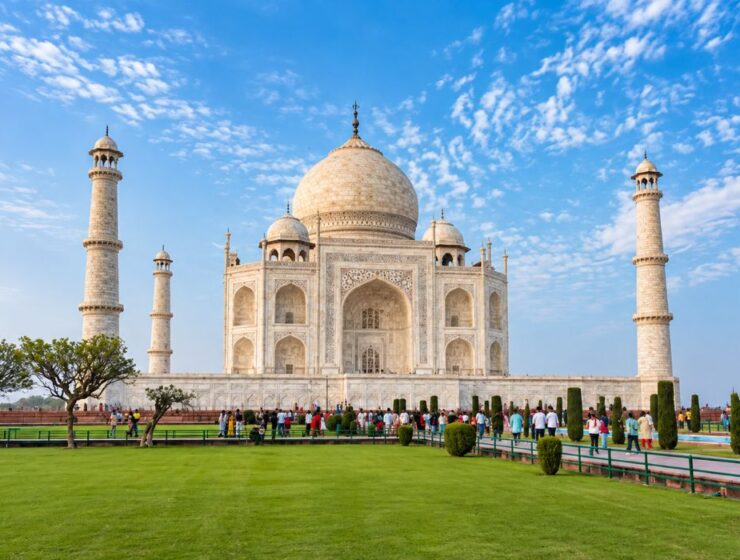
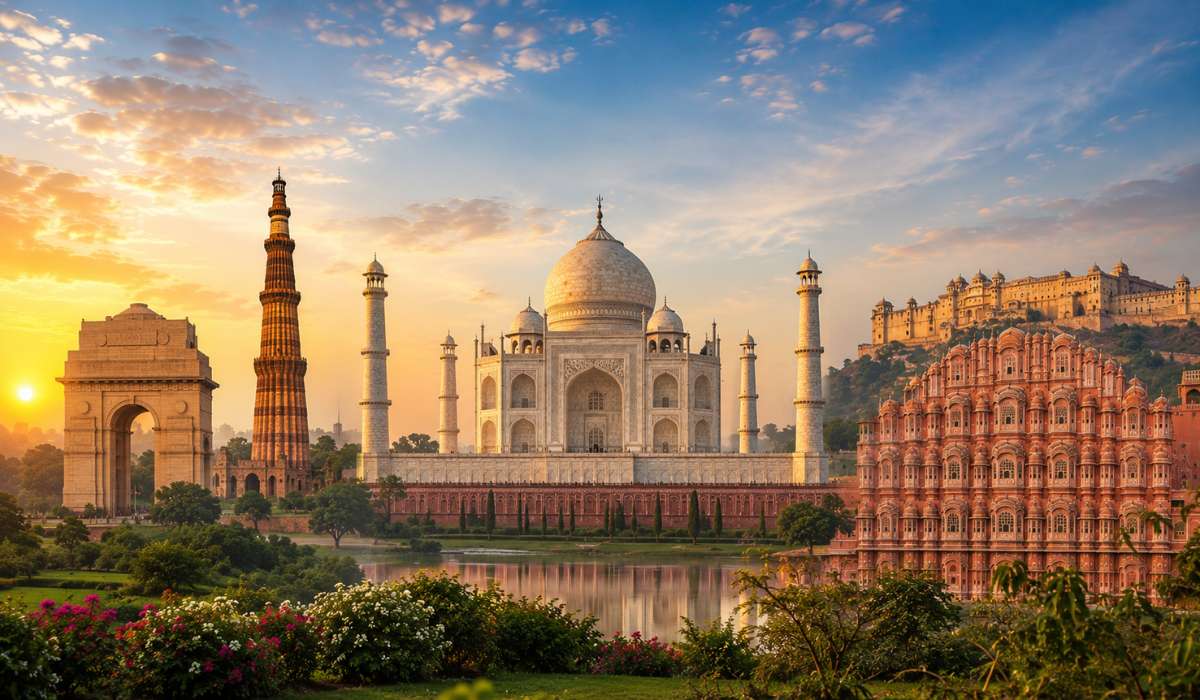
The wrong season can mean 45°C heat with monuments closing early, monsoon rain blocking your Taj Mahal photo, or December fog that hides the entire monument from view.
The Golden Triangle works in every month — but each month gives you a different trip. This guide breaks down exactly what to expect, month by month, so you can choose dates that match what you actually want from the trip.
Quick Answer
BEST OVERALL: October to March
PEAK MONTHS: November, February
AVOID: May, June (extreme heat)
BUDGET WINDOW: July to September
PHOTOGRAPHY: October, January, February
The ideal weather window runs October to mid-April, with temperatures between 22-32°C. Freezing spells can hit Delhi in January and February due to Himalayan influence, while May and June can scorch at 45°C. These recommendations are based on historical weather patterns and seasonal travel data across North India.
Key Takeaways
- October to March is the universally recommended window for first-time visitors — this aligns with North India’s most stable weather patterns
- November and February offer the most comfortable weather with clear skies and minimal disruptions
- December and January bring significant fog risks — build flexibility into your schedule and avoid tight connections
- April to June is intensely hot but offers the lowest prices and thinnest crowds — only for heat-tolerant travelers
- July to September (monsoon) brings lush greenery, dramatic skies, and the year’s lowest rates
- Festival timing can transform your trip — check annual dates for Diwali and Holi
- Ranthambore National Park closes during monsoon (July-September) — factor this in if wildlife safari is a priority
Table of Contents
- Month by Month Breakdown
- Quick Comparison Table
- Best Time by Traveler Type
- Expert Tips from the Road
- Common Mistakes to Avoid
- How to Prepare for Your Chosen Season
- FAQ
- Final Verdict
Month by Month Breakdown
October — Where Peak Season Begins
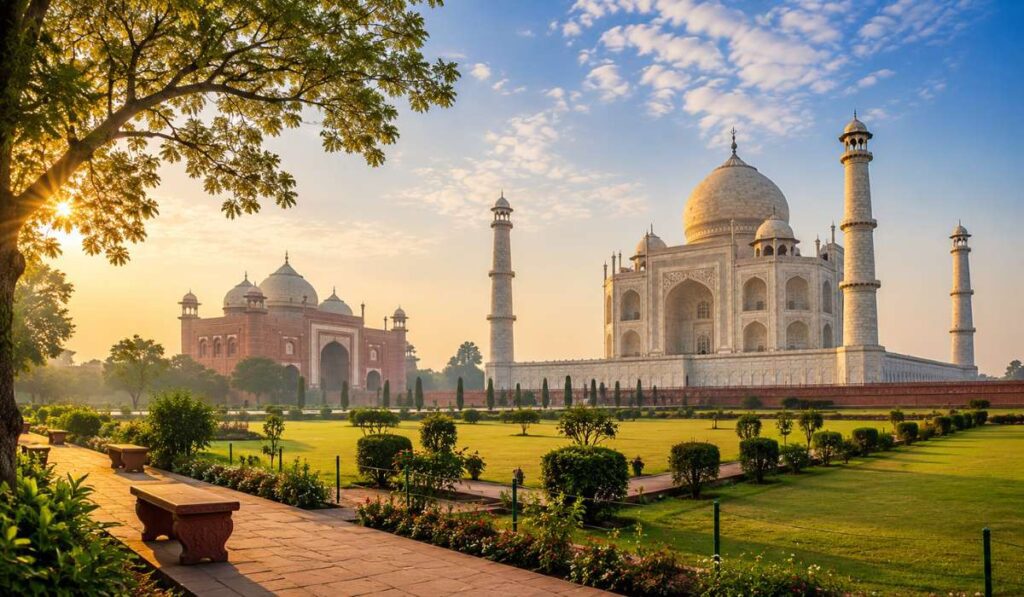
What is October like in the Golden Triangle?
October is a near-perfect balance of weather, prices, and crowd levels. Days are warm but pleasant, evenings cool down, and the festive season begins. The post-monsoon atmosphere in October is extraordinary — the landscape is lush and deeply green from the summer rains, the air is washed clean, and the light is warm and golden for photography.
| Metric | Detail |
|---|---|
| Temperature | 24-35°C day, cool nights |
| Crowds | Building up — moderate |
| Hotel prices | Starting to rise |
| Best for | Early peak season travel, good weather without maximum crowds |
What to expect on the ground: The humidity from monsoon has largely dissipated, leaving comfortable days perfect for exploring Amber Fort in Jaipur or the Red Fort in Delhi. Mornings are crisp, afternoons are warm but not exhausting, and evenings invite strolling through markets without breaking a sweat.
Festival highlight: Diwali typically falls in October or early November. If your dates align, you get markets, lights, and celebrations in Delhi, Agra, and Jaipur on top of regular sightseeing. The illuminated Akshardham Temple in Delhi during Diwali is genuinely breathtaking.
Pro tip: October is when the “shoulder season” transitions into peak. You get better rates than November but nearly as good weather. Book by late August for the best selection.
Read our complete guide on the Best Time to Visit Taj Mahal for specific sunrise and sunset viewing tips.
November — Often the Best Month
Why is November considered the best month for the Golden Triangle?
November and February are considered the absolute peak months for comfortable travel. The weather is close to perfect: warm enough to be thoroughly comfortable during the day, cool enough in the evening to require a light layer and feel genuinely autumnal. Clear skies mean uninterrupted views of the Taj Mahal, Hawa Mahal, and Qutub Minar.
| Metric | Detail |
|---|---|
| Temperature | 15-30°C |
| Crowds | High — this is peak season |
| Hotel prices | Peak rates |
| Best for | First-time visitors, most comfortable weather, best photography conditions |
Why it works so well: No monsoon humidity, no winter fog, no summer heat. Just consistent, pleasant days where you can spend 6-8 hours exploring without exhaustion. The light is perfect for photography, especially during the “golden hour” at Mehtab Bagh with the Taj Mahal in the background.
This is the month most travel guides recommend as the single best choice. Clear skies, comfortable temperatures, no monsoon risk, no extreme heat. Historical travel data indicates consistently high visitor satisfaction during this period.
Critical advice: Book hotels 2-3 months in advance — November fills up fast. International tourists combine this month with Thanksgiving or early winter breaks, and domestic travelers take advantage of the weather. Don’t expect last-minute deals.
Pro tip: The Pushkar Camel Fair, one of India’s most colorful cultural events, often falls in November. It’s about 2.5 hours from Jaipur — worth a detour if your dates align.
Confused about itinerary length? Check our Golden Triangle 5 Days vs 6 Days guide to decide.
December — Cold and Foggy, Honest Warning
Is December a good time to visit the Golden Triangle?
December is genuinely cold in North India, especially mornings. Pack layers — what feels like 10°C at 6 AM becomes 20°C by noon. The temperature swing is dramatic, and unprepared travelers shiver through sunrise Taj Mahal visits.
| Metric | Detail |
|---|---|
| Temperature | 5-22°C — Delhi can drop to near freezing at night |
| Crowds | Very high — Christmas/New Year period |
| Hotel prices | Peak — highest of the year |
| Best for | Festivals and celebrations (with fog risk) |
The fog warning — absolutely critical: Delhi and Agra get dense fog in late December through January. This isn’t light morning mist — this is visibility-dropping-to-50-metres fog that can:
- Delay flights for hours (Indira Gandhi International Airport often sees major disruptions)
- Push back the Yamuna Expressway drive time from 3 hours to 6-8 hours
- Completely hide the Taj Mahal at sunrise
- Cancel train services or cause massive delays
If your trip dates fall in this window: Build in at least 24 hours of flexibility. Do not schedule a tight same-day return flight. Book morning Taj Mahal visits but have backup plans for afternoon viewing.
The upside: Christmas and New Year celebrations in Delhi’s luxury hotels are spectacular. Jaipur’s markets are decked out, and there’s a festive energy throughout the Golden Triangle.
Pro tip: If December is your only option, prioritize Jaipur first — it’s less fog-prone than Delhi and Agra. Save the Taj Mahal for later in your itinerary when fog might have cleared.
January — Cold But Clear
What should I expect visiting the Golden Triangle in January?
Cold but festive — great for Republic Day parade in Delhi and Jaipur Kite Festival. January is one of the most pleasant months overall. Days are cool, evenings crisp, mornings bring gentle winter mist that adds a romantic atmosphere to Agra’s monuments.
| Metric | Detail |
|---|---|
| Temperature | 7-22°C |
| Crowds | High through mid-January, easing after Republic Day |
| Hotel prices | Peak through mid-January |
| Best for | Festivals, comfortable daytime sightseeing |
The fog situation: Same fog caveat as December applies, especially the first half of the month. By late January, fog risk decreases significantly — the weather stabilizes, and mornings become clearer.
Festival highlights:
- Republic Day (January 26): Delhi hosts one of the most spectacular parades in Asia. The show includes military displays, cultural performances from every state, and impressive tableaus. Book tickets weeks in advance.
- Jaipur Kite Festival (January 14 – Makar Sankranti): The sky fills with thousands of colorful kites. Locals compete in kite-flying battles, and the rooftop celebrations are unforgettable.
Why it works: This is when winter is at its most dramatic but still manageable. The morning mist around the Taj Mahal creates ethereal photography conditions — if you’re patient enough to wait for it to clear slightly.
Pro tip: Pack a good camera for the misty mornings. The soft light and atmospheric fog create some of the most evocative Taj Mahal images you’ll ever capture. But bring gloves — your hands will freeze while waiting for the perfect shot.
February — Often Underrated
Why is February one of the best months for the Golden Triangle?
February continues the pleasant winter trend with slightly warmer days and cool evenings. One of the best months for outdoor sightseeing as humidity stays low, with blooming flowers and clear skies. This is when Delhi’s famous gardens — Mughal Gardens at Rashtrapati Bhavan — open to the public.
| Metric | Detail |
|---|---|
| Temperature | 12-27°C |
| Crowds | High but slightly less than Nov-Jan |
| Hotel prices | Peak, occasionally with better availability |
| Best for | Photography, gardens in bloom, fog-free sightseeing |
Why it’s genuinely underrated: By mid-February, the fog risk has essentially disappeared. You get all the benefits of winter comfort without the uncertainty of December-January. The days are longer, the sun is warmer, and the landscape starts showing signs of spring.
Photography advantage: February’s light is crisp and clear — perfect for capturing Amber Fort’s intricate mirror work, Hawa Mahal’s honeycomb facade, and the Taj Mahal at sunset. The flowers in bloom add color to every shot.
Festival highlight: Taj Mahotsav, a 10-day cultural festival near the Taj Mahal, usually occurs in February. It features crafts, music, and dance performances from across India — a wonderful addition to your Agra stop.
Who should go: Anyone who wants peak season comfort without the extreme crowds of Christmas/New Year. February offers slightly better availability and occasionally lower rates than December-January, making it the best value within peak season.
Pro tip: This is one of the best months for couple travel. The weather is romantic, the gardens are blooming, and sunset at Mehtab Bagh is perfect for honeymoon photos.
Check our Golden Triangle Budget Guide to see how February rates compare to other months.
March — Spring Arrives, Holi Happens
Is March a good time for the Golden Triangle tour?
Pleasant, with Holi celebrations across the Golden Triangle. February and March mark the arrival of spring, with moderate temperatures and blooming gardens. This is an excellent time to visit Jaipur’s vibrant Holi festival and colorful streets.
| Metric | Detail |
|---|---|
| Temperature | 17-33°C — warming noticeably |
| Crowds | Moderate, lower than peak |
| Hotel prices | Starting to drop |
| Best for | Festival experience (Holi), shoulder season value |
The Holi factor: Holi typically falls in March. This is one of the most colorful and chaotic festivals in India. Worth experiencing once — though streets get genuinely wild with color powder and crowds. Mathura and Vrindavan (near Agra) host the most legendary Holi celebrations in the world, drawing thousands of international travelers.
What to expect: If you’re in Jaipur during Holi, the streets become a canvas of color, music, and dancing. Locals throw colored powder (gulal) at everyone — strangers, friends, foreigners, everyone. It’s joyful, chaotic, and completely unforgettable.
But be warned: Holi also means:
- Many shops and restaurants close for the day
- Train and flight schedules might get disrupted
- Some monuments have reduced hours
- Streets can be slippery with water and color
Is March still good after Holi? Yes — the weeks after Holi offer pleasant weather, lower prices than peak season, and thinner crowds. The gardens are still blooming, and temperatures are manageable. This is one of the best “shoulder season” windows for value-conscious travelers.
Pro tip: If you’re in Jaipur during Holi, book a rooftop hotel room. Watching the color play from above is an experience in itself, and you can choose whether to participate or observe.
April — Heat Begins, Crowds Drop
Can you visit the Golden Triangle in April?
Start of summer — hot days but fewer tourists. This is when budget travelers who can handle heat start their trips, taking advantage of significantly lower prices.
| Metric | Detail |
|---|---|
| Temperature | 25-40°C |
| Crowds | Low, dropping fast |
| Hotel prices | Lower |
| Best for | Budget travelers who can handle heat, early morning sightseeing |
The reality on the ground: Manageable in the first half if you plan sightseeing for early morning (6-10 AM) and evening (4-7 PM), with midday reserved for hotel pools or AC rooms. By late April, it becomes genuinely uncomfortable — the heat is dry and relentless.
What changes:
- Monument visits become shorter — you’ll want to spend less time outdoors
- Midday markets in Delhi and Jaipur are quieter as locals rest
- AC becomes non-negotiable for car travel and hotels
- You’ll drink 3-4 liters of water daily without feeling thirsty
Who should go in April: Solo travelers who don’t mind sweating for a good deal. Honeymooners who plan to spend time at luxury hotels with pools. Photographers who want near-empty monuments at sunrise.
Pro tip: If you must travel in April, choose Jaipur over Agra or Delhi. Jaipur’s desert heat is slightly less oppressive than Delhi’s humidity, and you’ll appreciate the city’s open architecture and breezy fort locations.
Who should not: Families with young children, elderly travelers, first-time visitors to India, or anyone with heat sensitivity.
May-June — Peak Summer, Honest Warning
Should I avoid the Golden Triangle in summer?
May is the hottest month, with temperatures touching 45°C. It is dry heat and can lead to heat stroke, especially for visitors not used to it. This is the hardest period to visit comfortably.
| Metric | Detail |
|---|---|
| Temperature | 30-46°C |
| Crowds | Lowest of the year |
| Hotel prices | Heavily discounted |
| Best for | Budget travelers with high heat tolerance, luxury hotel pool time |
City-wise summer temperatures:
| City | May | June |
|---|---|---|
| Delhi | 40–46°C | 38–44°C |
| Agra | 40–45°C | 38–44°C |
| Jaipur | 40–46°C | 38–42°C |
The reality: Many shops in Delhi, Jaipur, and Agra close down in the afternoon because of the heat. Street food vendors operate only in mornings and evenings. Even locals avoid the sun between 11 AM and 4 PM.
If you absolutely must travel now:
- Structure your entire day around 6-10 AM sightseeing
- Reserve 11 AM – 4 PM for hotel pools, AC rooms, or indoor museums
- Start evening sightseeing at 4:30 PM
- Carry a water bottle everywhere — drink constantly
- Wear light cotton or linen clothing, wide-brimmed hat, and sunglasses
- Use AC transport for all inter-city and intra-city travel
- Accept that you’ll see monuments in 20-30 minute intervals, not 2-hour explorations
We do not recommend May-June for:
- First-time visitors to India
- Families with young children (under 12)
- Elderly travelers
- Anyone with respiratory or heat-sensitive conditions
- Travelers on tight budgets who can’t afford AC hotels
The one exception: Luxury travelers who want 5-star resorts at 40-60% discounts. Some high-end properties in Jaipur offer incredible deals during summer, and you can spend your days poolside. But even then, you’ll want to time your sightseeing carefully.
Pro tip: If you’re considering May-June, check weather forecasts for heatwave warnings. If a heatwave is predicted (temperatures above 45°C for 3+ days), postpone your trip. It’s not worth the health risk.
July-August — Monsoon Begins
What is the Golden Triangle like during monsoon?
July is the true beginning of monsoon. Agra’s gardens, Delhi’s parks, and Jaipur’s hills appear lush. The rain transforms the landscape — dry brown hills turn vibrant green, and the air becomes fresh and clean.
| Metric | Detail |
|---|---|
| Temperature | 25-35°C |
| Crowds | Very low |
| Hotel prices | Lowest of the year |
| Best for | Photography (dramatic skies), maximum budget savings, fewer crowds |
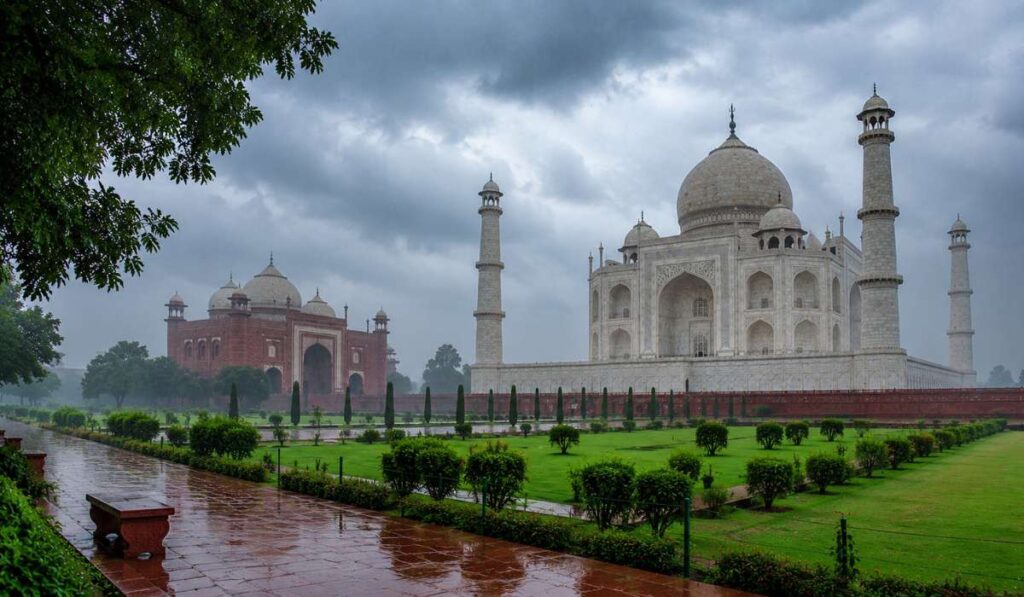
The monsoon reality: Jaipur receives noticeably less rain than Delhi and Agra — its desert geography means monsoon hits it more lightly. This makes Jaipur a genuinely good monsoon destination even when Delhi and Agra are wetter. Rain comes in short bursts, not constant downpour. Between showers, the landscape is dramatically greener than any other season — a different but legitimate way to see these cities.
Pros of monsoon travel:
- Hotel prices hit rock bottom — 40-60% off peak rates
- Monuments are nearly empty — you’ll have the Taj Mahal to yourself
- Photography is spectacular — dramatic clouds, reflections, lush gardens
- The heat is gone — temperatures stay in the 25-35°C range
- The air is fresh and clean after the rain
Cons of monsoon travel:
- Rain can interrupt outdoor activities
- Humidity is high (70-80%)
- Some outdoor markets may be quiet
- Ranthambore National Park is closed for safari
- Occasional flooding in low-lying areas (check local conditions)
For a British or German traveler accustomed to summers of 25-30°C, August in the Golden Triangle is hot but manageable with good planning. Many European travelers actually prefer this to the heat of April-June.
Pro tip: Carry a light rain jacket, waterproof shoes, and pack clothes that dry quickly. The rain usually comes in the late afternoon, so schedule your major sightseeing for mornings.
Who should consider monsoon: Budget travelers, photographers, repeat visitors who want a different experience, and anyone who prefers cooler temperatures over dry heat.
September — The Quiet Transition Month
Is September a good time for the Golden Triangle?
September brings some of the best photography conditions of the year. The landscape remains green, rainfall decreases, and skies begin clearing, with temperatures staying moderate especially in the second half.
| Metric | Detail |
|---|---|
| Temperature | 24-34°C |
| Crowds | Low |
| Hotel prices | Still discounted |
| Best for | Value travelers, photographers, avoiding both monsoon and peak crowds |
Why September is underrated: You get post-monsoon greenery, decreasing humidity, and prices that have not yet jumped to peak season levels. By mid-September, the rain has largely stopped, but the landscape is still lush from the monsoon. The skies are dramatic, the air is clean, and the monuments are still uncrowded.
Who should go: Value-conscious travelers who want good weather without paying peak-season prices. Photographers who want dramatic skies and vibrant greenery. Anyone who wants to avoid both the monsoon downpours and the peak-season crowds.
What to watch out for: The first half of September can still be rainy. The second half is usually drier and more reliable. If you can, book late September for the best of both worlds — good weather at off-season prices.
Pro tip: This is when hotel prices start creeping up from their lowest point but are still 20-30% below peak. Book in early August for the best combination of price and selection.
Quick Comparison Table
| Month | Temp Range | Crowd Level | Price Level | Best For |
|---|---|---|---|---|
| Oct | 24-35°C | Building | Rising | Early peak, festivals |
| Nov | 15-30°C | High | Peak | Best overall |
| Dec | 5-22°C | Very High | Peak | Festivals (fog risk) |
| Jan | 7-22°C | High | Peak | Festivals (fog risk early) |
| Feb | 12-27°C | High | Peak | Photography, fog-free |
| Mar | 17-33°C | Moderate | Dropping | Holi, shoulder value |
| Apr | 25-40°C | Low | Lower | Early morning touring |
| May | 30-46°C | Lowest | Lowest | Budget, heat-tolerant only |
| Jun | 30-46°C | Lowest | Lowest | Avoid if possible |
| Jul | 25-35°C | Very Low | Lowest | Monsoon photography |
| Aug | 25-35°C | Very Low | Lowest | Budget, greenery |
| Sep | 24-34°C | Low | Still Low | Best value window |
Best Time by Traveler Type
First-time visitor, want comfort: November or February — reliable weather, clear skies, comfortable temperatures
Photographer: October (golden light), January (misty mornings), or monsoon (dramatic skies and greenery)
Budget priority: July-September — lowest prices across the board (30-50% off peak)
Festival experience: October-November (Diwali) or March (Holi) — check exact dates annually
Honeymoon: November-February — comfortable weather for romantic stops like Mehtab Bagh sunset
Family with kids: October-March — avoid extreme heat, kids handle moderate temperatures better
Tight budget, heat-tolerant: April or September — shoulder season pricing, more manageable heat than peak summer
Wildlife safari (Ranthambore): October-June — the park closes during monsoon (approximately July to September)
Luxury traveler: February-March or September-October — good weather without peak holiday crowds
Solo traveler: February-March — safe, comfortable weather, and you’ll meet other travelers
Indian domestic traveler: October or March — school holidays coincide with good weather
Wildlife safari (Ranthambore): October-June — the park closes during monsoon (approximately July to September). If you’re considering adding Ranthambore to your Golden Triangle itinerary, see whether it’s worth the extra time with our Ranthambore guide.
Expert Tips
1. Book peak season early. November and February require booking hotels 2-3 months ahead for good rates and availability.
2. Build flexibility in December-January. Fog can delay flights and trains for hours. Avoid tight same-day connections.
3. Summer = early starts. If traveling April-June, do all sightseeing between 6-10 AM and 4-7 PM. The midday hours are for your hotel pool.
4. Monsoon = pack smart. Breathable cotton or linen clothing is your best friend during July-September. Waterproof shoes are essential.
5. Check festival dates before booking. Diwali and Holi can transform your trip — but also mean higher prices and fuller hotels.
6. Photographers should plan around light. The best photos of the Taj Mahal happen at sunrise (6-7 AM) and sunset (5-6 PM).
7. Consider weekend vs weekday. Major monuments are significantly busier on weekends. Visit on weekdays for thinner crowds.
8. AC transport is worth the cost. Even in “pleasant” months, AC cars make a difference. In summer, it’s non-negotiable.
9. Hydrate constantly. No matter which month, you’ll be walking more than usual and sweating more than you expect.
10. Layer up in winter. December-January mornings are cold, but afternoons warm up. A jacket, scarf, and gloves for the morning, shed layers as the day progresses.
Common Mistakes to Avoid
❌ Visiting in May-June without a plan. The heat is genuinely dangerous for those not used to it. If you must go, structure your entire day around early mornings and have AC transport booked.
❌ Booking a tight same-day return flight in December. Fog can delay everything. Give yourself at least 24 hours buffer.
❌ Assuming monsoon means non-stop rain. Rain comes in short bursts, not constant downpour. Between showers, the landscape is stunning.
❌ Not booking peak season early. November and February fill up fast. Waiting until the last minute means paying premium rates for whatever is left.
❌ Ignoring Ranthambore closures. If wildlife safari is a priority, remember the park closes during monsoon (July-September).
❌ Packing only summer clothes for winter. December-January nights in Delhi can drop to 5°C. Many international travelers underestimate how cold North India gets.
❌ Not building rest days. The Golden Triangle involves significant travel between cities (3-5 hours each). Factor in rest days, especially during summer.
❌ Over-scheduling. Three cities in five days is intense. Consider 6-7 days for a comfortable pace.
[Internal Link: Golden Triangle 5 Days vs 6 Days]
❌ Forgetting about Indian holidays. Major holidays can mean monument closures and disruptions. Check the Indian holiday calendar before finalizing your dates.
❌ Not having a backup plan. In foggy months, have indoor alternatives ready. Delhi has excellent museums, Jaipur has indoor craft centers, and Agra has the Taj Museum if the main monument is fogged in.
How to Prepare for Your Chosen Season
Peak Season (October-March)
- Pack: Layers, warm jacket for December-January, comfortable walking shoes, sunscreen
- Book: 2-3 months in advance for hotels, 1-2 months for train tickets
- Plan: Major sights early morning to avoid crowds
- Weather: Dry, clear, comfortable — ideal for all activities
Summer (April-June)
- Pack: Light cotton/linen, wide-brimmed hat, high-SPF sunscreen, reusable water bottle, sunglasses
- Book: AC hotels are non-negotiable — book these regardless of price
- Plan: All sightseeing 6-10 AM and 4-7 PM only
- Weather: Extreme heat — 40-46°C, dry, intense sun
Monsoon (July-September)
- Pack: Light cotton, waterproof jacket, quick-dry clothes, waterproof shoes, umbrella
- Book: Last-minute deals are common, but book AC rooms
- Plan: Indoor backup activities for rainy afternoons
- Weather: 25-35°C, high humidity, short bursts of rain
FAQ
What is the single best month for the Golden Triangle?
November or February. Both offer comfortable temperatures (15-30°C), clear skies, and no fog risk. November has slightly more festival atmosphere; February has marginally better fog-free reliability. Based on historical weather data and traveler feedback, these two months consistently deliver the best experience.
Is December a good time to visit?
Weather-wise yes, but with one caveat — dense fog in late December can delay flights and obscure the Taj Mahal at sunrise. If you visit in December, build flexibility into your schedule and avoid tight same-day connections. The upside is festive celebrations and Christmas/New Year atmosphere.
Should I avoid the Golden Triangle in summer?
April-June brings genuine heat — 40-46°C in Agra and Jaipur. It is possible with early-morning sightseeing and AC transport, but we do not recommend it for first-time visitors or families with young children. May-June especially can be dangerous for those not acclimatized to extreme heat.
Is monsoon a bad time to visit?
Not necessarily. Jaipur receives notably less rain than Delhi and Agra due to its desert location, making it a reasonable monsoon destination. Rain comes in short bursts rather than constant downpour, and prices drop to the lowest point of the year. Many budget travelers and photographers prefer this season.
When should I book to get the best hotel rates?
Peak season (October-March) requires booking 2-3 months ahead for good rates and availability. Off-season (April-September) offers 30-50% lower rates with more last-minute availability. The sweet spot for value is late September — good weather with pre-peak pricing.
Does the best time change if I am adding Ranthambore for tiger safari?
Yes — Ranthambore National Park closes during monsoon (approximately July to September). If wildlife safari is a priority, plan your Golden Triangle trip for October-June. The park has different safari zones with varying tiger sighting probabilities, so check zone availability when booking.
What should I pack for December-January?
Layers are essential. Mornings can be near freezing in Delhi, but afternoons warm up significantly. Pack a warm jacket, scarf, and gloves for early morning Taj Mahal visits. Thermal inners are recommended for those sensitive to cold. The temperature swing is dramatic — be prepared for 5°C at 6 AM and 20°C by noon.
Is October too hot for sightseeing?
Not at all. October offers warm but comfortable days (24-35°C) with cool evenings. It is one of the finest months to visit — the post-monsoon landscape is lush and green, and crowds have not yet reached peak intensity. The light is also spectacular for photography.
Can I do the Golden Triangle in 5 days?
Yes — the classic circuit is manageable in 5-7 days. Read our [Internal Link: Golden Triangle 5 Days vs 6 Days] guide for detailed itinerary options. Five days is rushed but possible; six days is more comfortable and allows for deeper exploration.
What is the cheapest month to visit?
July-September (monsoon) offers the lowest prices across the board. Hotel rates drop 30-50% below peak season, and crowds are at their lowest. The best deals are in August, which is the wettest month but also the cheapest.
When are Diwali and Holi?
Diwali typically falls in October or November. Holi typically falls in March. Exact dates change annually based on the Hindu lunar calendar — check current year dates when planning. These festivals transform the travel experience but also mean higher prices and fuller hotels.
Is the Taj Mahal open on Fridays?
The Taj Mahal is closed on Fridays for prayers at the mosque inside the complex. Plan your Agra visit for Tuesday, Wednesday, Thursday, Saturday, or Sunday. Monday is also open but tends to be busier.
What are the best hours for Taj Mahal photography?
Sunrise (6-7 AM) and sunset (5-6 PM) offer the best light. The sunrise view from the eastern gate is spectacular, and Mehtab Bagh across the Yamuna River provides the classic sunset view. Winter sunrises are later (around 7 AM), making them more manageable.
Final Verdict
For most travelers, the best time for a Golden Triangle tour is November or February.
Both months deliver the trifecta: comfortable temperatures (15-30°C), clear skies, and reliable travel conditions. November offers the full festival energy with Diwali season; February gives you fog-free reliability and spring flowers. Based on historical travel patterns and weather data, these two months consistently produce the highest traveler satisfaction rates.
If you are on a budget, September offers the best value — post-monsoon greenery with pre-peak prices. You get 20-30% savings compared to peak months with weather that’s still manageable.
If you are a photographer, October gives you golden light and lush landscapes. January offers misty mornings for atmospheric Taj Mahal shots. Monsoon (July-September) provides dramatic skies and vibrant greenery that no other season offers.
If you want the ultimate festival experience, time your trip for Diwali or Holi. These are once-in-a-lifetime experiences that transform your trip beyond sightseeing.
What you should avoid: May-June for first-timers. The 45°C heat is genuinely challenging and can ruin your experience. December-January if you cannot handle fog delays — build flexibility if these are your only options. And if wildlife is a priority, remember Ranthambore closes July-September.
The Golden Triangle rewards good planning. Pick your season based on what matters most to you — comfort, budget, festivals, or photography — and you will have an unforgettable trip. The monuments are magnificent year-round, but your experience depends significantly on when you visit.
For complete planning resources, visit our Golden Triangle India Complete Planning Guide.
Conclusion
The Golden Triangle does not have a single “best” time — it has different seasons, each with its own character and advantages. The October traveler and the May traveler and the January traveler all have genuinely different but equally valid experiences.
What matters most is matching your priorities with the right season. Use this guide to understand what each month offers, then choose the window that aligns with your budget, comfort preferences, and what you want from the trip.
Book early for peak months, pack appropriately for your chosen season, and build flexibility into foggy winter itineraries. Most importantly, choose dates that work for you — because the best time to visit is the time you actually go.
The monuments of Delhi, Agra, and Jaipur have stood for centuries. They’ll be waiting for you. Your job is to pick the season that makes your visit memorable for all the right reasons.
Author Information
Last Updated: June 2026
Reading Time: 12-15 minutes
Author: Travel Content Team, Emperor Holidays
Reviewed by: Destination Specialists with 10+ years of experience in India travel planning
Book Your Golden Triangle Tour
Ready to plan your trip? Here are our recommended tour packages:
→ Golden Triangle Tour 5 Days — From $140
→ Golden Triangle Tour 6 Days — From $175
→ GT with Ranthambore — From $114
→ All Golden Triangle Tours
Not sure which dates work for your trip? — we will recommend the best window based on your priorities, budget, and travel preferences.
References and Additional Resources
For accurate weather information, refer to:
Related Guides
→ Golden Triangle Tour India — Complete Planning Guide
→ Golden Triangle 5 Days vs 6 Days
→ Golden Triangle Tour Budget
→ Best Time to Visit Taj Mahal