Most travelers assume the destination shapes the trip. In India, the season decides the experience long before the destination does. Come in summer and you meet the heat first. It doesn’t just make you uncomfortable — it changes how you behave. You rush monuments, avoid walking, shorten your day, and remember discomfort more than culture.
Come in winter (October to March) and the character of travel shifts. Skies are clear, the air is breathable, mornings are crisp, and the day has a rhythm that supports slow movement. You take your time. You notice details. Enjoy being outside, which is exactly how India is meant to be experienced. Food tastes better. Streets feel friendlier. Monuments look sharper. Markets become playgrounds instead of puzzles.
Winter is not merely convenient. Winter is the right season to explore India properly. The Golden Triangle route — Delhi, Agra, Jaipur — proves this. These cities depend on walking, open-air sites, bazaars, rooftops, lakesides, gardens, and forts. These are winter-first experiences. Heat collapses them. Winter lets them breathe.
If you’re traveling with family, friends, or colleagues, winter ensures not only comfort but shared memories that are warm, relaxed, and real.
Why Winter Travel in India Works Better
Comfortable weather means you actually explore. Between 18°C and 28°C, your body doesn’t fight the environment. You don’t plan your day around shade or air conditioning. Don’t ration energy. You move, pause, and continue comfortably. A good travel day is a sequence of small moments. Winter keeps those moments intact.
Clear skies make monuments look the way you imagined them. What people picture — sharp outlines, warm light, soft shadows, golden mornings — is the winter look. Lower humidity, angled sunlight, and cleaner air reveal color, texture, and scale. This is why photographers plan for winter.
Tourism runs smoothly and fully. Peak season means better availability of good drivers and expert guides, more open restaurants, reliable service standards, and cultural shows that actually run on schedule. Night experiences at forts and heritage sites, winter markets, and rooftop performances exist because the weather supports them.
Festivals add real cultural context. Winter aligns with Diwali, Christmas, New Year, Jaipur Literature Festival, and Holi. The country is not performing for tourists; it is celebrating for itself.
Winter Weather in India: What Travelers Actually Experience
Delhi–Agra–Jaipur (Golden Triangle): Cool mornings, bright afternoons, breezy evenings. Start early, break indoors mid-day, and return out late afternoon without burnout.
Rajasthan desert cities: Crisp mornings, glowing afternoons, cold starry nights. Bonfires and folk music make sense.
Varanasi: Misty mornings add atmosphere. The river is calm; lanes feel navigable.
Goa & Kerala: Beaches feel human. You can swim, sit, and stroll without being pushed indoors by heat.
Best Places to Visit in India in Winter (Golden Triangle + Beyond)
Delhi — A City That Makes Sense Only in Winter
Delhi is layered: Mughal architecture, colonial-era design, Sufi shrines, Sikh history, modern art pockets, and street food that rewards patience. Winter gives you the energy to explore instead of just check-in and check-out. Walk Lodhi Garden at golden hour, see Humayun’s Tomb glow, read Qutub Minar’s inscriptions clearly, and actually enjoy walking Chandni Chowk.
Agra — Taj Mahal Sunrise Works Only in Winter
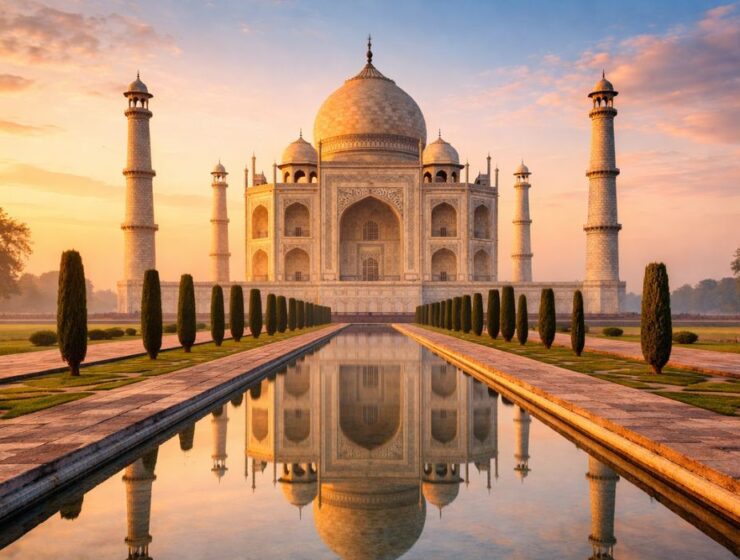
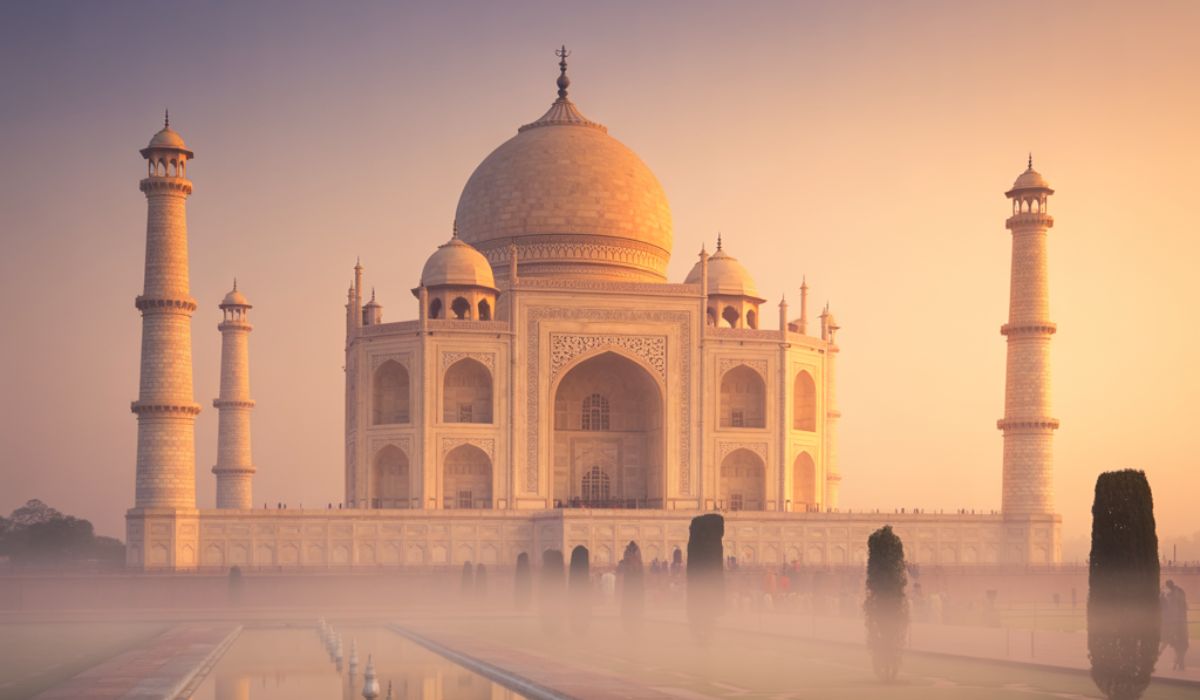
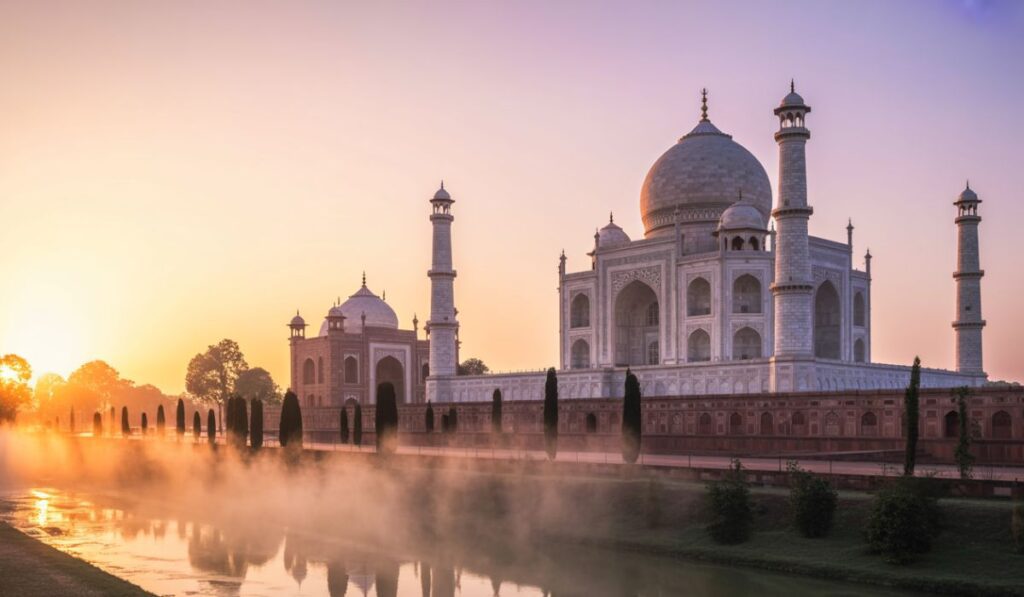
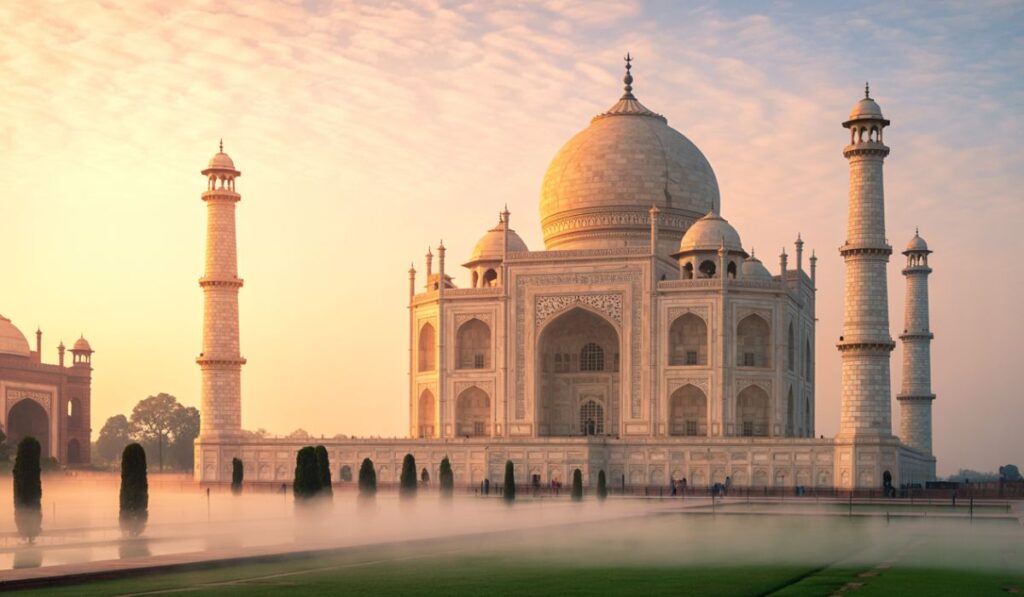
In winter, the marble takes on soft gold, details stand out, and the Yamuna’s far bank frames the monument. Sound carries cleanly, so the place feels quiet even with people around. Midday in summer flattens the monument. Sunrise in winter reveals it.
Plan your visit via a comfortable day trip: Taj Mahal Tour from Delhi.
Jaipur — A City Built for Open-Air Movement
Jaipur works when you move at walking pace. The Amber Fort ascent reveals views in layers. Hawa Mahal makes sense when you can stand outside and look from the street without rushing to shade. Nahargarh and Jaigarh stay crisp till evening. Markets like Johari and Bapu Bazaar invite slow browsing; winter street food is a win.
Explore with a balanced plan: Jaipur Tour.
Udaipur — The Calm City Needs Calm Weather
Udaipur is shaped by breeze, water, and open terraces. Rooftops define the evening in winter; light bounces off the lake and warms façades. It’s a city that holds attention without demanding it.
Jodhpur & Jaisalmer — Desert Is a Winter Experience
Sit in the desert, listen to the wind, and feel the temperature drop after sunset. Fire against the cold, music in the open, and a sky full of stars turn space into stillness. In summer, this collapses into survival; in winter, it becomes memory.
Travel Experiences That Actually Stay in Memory
- Sunrise at the Taj Mahal when the air holds silence and the marble takes on color.
- Jaisalmer bonfire night with slow Rajasthani rhythms, not a rushed performance.
- Amber Fort ascent where the fort reveals itself turn by turn.
- Old Delhi at 7:30 AM, when shutters are half-open and the city is waking, not roaring.
- Varanasi Ganga Aarti with clear sound and calm air.
Food and Winter: The Experience Travelers Don’t Expect
Indian food is seasonal. Spices that feel heavy in heat feel balanced in cold. In winter, laal maas warms without overwhelming; gajar ka halwa makes sense; jalebi with rabri feels crisp and soft; kachori stays light; chai turns from habit to comfort. Even fruit shifts — oranges sharpen, guava carries perfume, sugarcane juice feels clean.
Markets and Shopping Feel Different in Winter
Shopping is negotiation and conversation. Winter allows patience to compare fabrics, feel weaves, check finishing, and understand dyes and care. Craftspeople have space to explain. The transaction becomes an exchange, not a sprint.
Why Private Car Travel Makes the Golden Triangle Work
Trains and buses demand energy: luggage, schedules, crowds, and fixed timing. A private car removes friction: flexible start times, temperature control, rest breaks, private luggage space, and quiet movement. Roads are scenic in winter; mustard fields show color, villages are active, and the sky stays clear. Families, seniors, and colleagues arrive with energy for dinner, not fatigue.
Plan your route comfortably: Golden Triangle Tour Packages or reach out for a custom pace via Private Car Tour in India.
How Winter Changes Day Planning
Morning
Start early. Winter sunrise is friendly. Two major sights before 11 AM is realistic with better light and fewer people.
Midday
Shift indoors when light gets high: museums, shaded palaces, long lunch, or an art gallery. Naps are optional, not necessary.
Late Afternoon
Return outdoors around 3 PM for markets, lake walks, rooftops, and vistas. Soft light, cool air, renewed energy.
Evening
Cultural shows, night markets, and rooftop dinners fit naturally. You end the day satisfied, not exhausted.
Major Indian Festivals (October to March)
Diwali: Cities glow; the mood shifts. You’ll see homes, streets, and markets lit; sweets move from house to house.
Pushkar Camel Fair: A living market with animals, traders, pilgrims, and performers. Dust turns gold in the light.
Christmas & New Year: Goa and major cities go social and bright; cafés and hotels run open-air evenings.
Jaipur Literature Festival: A meeting ground for ideas; the city feels curious and energetic.
Holi: Choose a guided setting. Done right, it’s unforgettable; without guidance, it can be chaotic.
Budgeting Reality in Winter
Winter is peak season. Prices rise with demand. Book early, choose quality over gimmicks, and keep dates flexible if possible. Private car tours cost more than buses but save energy and time, which is what you actually travel for. A good guide costs more than a taxi but changes how you see places. In winter, value sits in planning, not just pricing.
Safety and Etiquette That Keep Travel Comfortable
Crowds are manageable, but big sites still attract people. Keep small bills handy, use official ticket counters, and follow monument rules. Dress in layers — mornings can be cold, afternoons warm, evenings cool. Ask before photographing people. Use licensed guides and verified drivers. Respect spaces; India responds kindly to courtesy.
Ideal Trip Durations
Golden Triangle: 4–6 days. One long day and two halves in Delhi, a focused Agra morning and early afternoon, and two days in Jaipur.
Golden Triangle + Udaipur: 6–8 days. Add a lakeside night and keep an evening free for a rooftop dinner without rushing.
Golden Triangle + Varanasi: 6–7 days. Treat Varanasi as time, not checklist — an evening aarti and a slow morning boat ride beat four rushed sites.
Conclusion
Winter is not just comfortable. Winter is meaningful. The light, the air, the landscapes, the festivals, the food, and the rhythm of daily life align to let India show you what it really is. If you want to see the country clearly — its architecture, markets, rituals, colors, and patience — travel between October and March. You walk more. Talk more. Sit longer. You remember better. In winter, India meets you halfway.
Best Time to Visit India in Winter – Traveler FAQs
1) Is winter really the best time to visit India?
Yes. From October to March, the weather is comfortable, humidity is low, and sightseeing becomes enjoyable. Summer heat drains energy and reduces the quality of the travel experience.
2) Which month is best for the Taj Mahal sunrise?
November to February offer the best visibility and soft golden light. The marble reflects colors beautifully, and the overall mood feels calm and memorable.
3) Does fog affect travel in winter?
Fog may occur in late December and January mornings around Delhi and Agra. It can delay early starts by 1–2 hours, but it does not ruin the trip. Just adjust timing when needed.
4) Is the Golden Triangle safe for family travel?
Yes, it is safe when traveling with licensed guides and private car transfers. Avoid unverified taxi services and unorganized group tours to ensure comfort and security.
5) How many days are enough for Delhi–Agra–Jaipur?
4–6 days is the ideal duration to explore all three cities comfortably. Less than 4 days feels rushed, while more than 7 days requires planned rest time.
6) Is winter travel in India more expensive?
Yes, winter is peak travel season. Hotels, flights, and guides cost more due to demand. Booking early ensures better prices and availability.
7) What should I pack for India in winter?
Bring layered clothing, one warm jacket, comfortable walking shoes, sunglasses, and a scarf or shawl for mornings and evenings. Heavy winter coats are only needed for Himalayan regions.